Showing posts with label #Thailand Diving. Show all posts

Where Better To Do The PADI Advanced Open Water Course Than The Similan islands.


Yes what can we say. You have already been to Phuket Thailand and then got your open water course phuket and now have to think what to do next.

 When in Thailand phuket most of the day trip diving is done on the east side of phuket.  But to the west side in the Andaman ocean we have the amazing similan islands. For most divers doing a  Similan islands liveabaord will be on of the best ( if not the best) dive trip you will ever do.


The similans are a chain of nine islands off the west coast that conect to the Surin islands which include divesites like Richelieu rock. this is rated by Nat Geo as one of the top ten dive sites in the world. this chain of islands runs right up into the Burma banks.


This whole area can be done on a similan Thailand liveabaord from an over night trip to a massive eight day adventure into the Burma banks and back.  So what better location is there to go after your phuket open water course than into the similan island national park to do your advanced course?


What does it cover?

The  PADI Advanced Open Water Diver Course will include knowledge development for the two required topics the Deep and Underwater Navigation Dives along with five of the most popular elective dives. These include Night Diver, Peak Performance Buoyancy, Wreck Diver, Boat Diver and Underwater Naturalist. As with the PADI Open Water Diver course, the entire PADI Adventures in Diving manual will be available online to divers enrolled in the e learning course. Experience real adventure and be one step closer to Master Scuba Diver ? the ultimate non-professional certification in recreational diving. You must be a PADI Open Water Diver before participating in any in water training.

How does it work?

Well you just pop into your local dive shop Phuket like Thailand Divers. You decide on how many nights you will like to be onboard. Then you collect the PADI advanced manual. This is much easier than the open water course as no video, no tests, no exam and no pool. Then all you need to do is dive. Then between the dives during the surface interval do one chapter as you go. Most of the dives you do on a  similan island liveabaord can be part of the course anyway so as you are doing the dives you may as well get certified. 


What does it cost?

The PADI Advanced Open Water Course  is 8,500 Thai Baht. The fee covers the knowledge development training, all PADI fees and instructor. Then all you you do is add this to the cost of the similan islands liveaboard trip of you choice and thats it done. 

Now you will be having one of the greatest diving trips of your life plus completing your advanced certification along the way. If you are feeling confident then you can also do your open water course similans too. this just needs a class and pool session before you depart. 

This can be easily arranged too. We can collect you from your Patong beach hotel or guest house patong and take you to the pool and class the day before to complete the training and then you are off. Thailand divers has a collection of patong hotels and patong guest houses to choose from that have all been highly reccomended by our customers. 

Now there is now no excuse not to open the laptop or desk top or even pick up the phone as we can have you in a top grade patong hotel for a day or two before heading out into the Similan island national park for an adventure of a lifetime.


Where Is The Best Place To Go Scuba Diving In Thailand.?


After diving and working in Phuket Thailand for a good few years now and reading hundreds of blogs, stories and reports of hundreds of dive sites, resorts and boats I have come to the conclusion that there is not one "best location" for scuba diving Thailand.  They are all good. Ok on some days some locations are better than others but on other days then a different location is better.  So how do we work out which are the best islands in Thailand.


The Similan islands are considered to be the best diving phuket has to offer. However although most of the liveaboards do go to the similan islands but they also go to the Surin islands too. This is another national marine park just to the north of the similans.  The similan liveaboard trips most of the em anyway spend a day diving Richelieu rock. Now this is a great dive site. This is listed by national Geographic as one of the top ten locations in the world. On top of this it was also in Jaques Cousteau's top ten dive sites as well. If anyone should know where the best locations are then it will be him. No one has been to more places, done more for recreational diving or done more to bring the seas and oceans within the reach of all people as Jaques Cousteau.


Still this is not 100% right as every person is different. If you are a person who loves wreck diving then there is not much for you in the  similans. Yes you will have stunning reefs, almost unlimited sea life and a great place to improve your underwater photo collection but there is not much in the way of wrecks.  Again if you are a cave diver then other locations will suit you better. But the similan islands diving does tick all the boxes for most divers.


The boats that you will be on when on a liveaboard similan islands can not be beaten.  There is such a wide choice of boat from the length of the cruise to the standard of boat. There are boats with high class chefs, and stateroom style cabins on some boats to quad bunks on others. This does not matter as the diving is the same for all. Even on the budget boats the food is excellent, the cabins are all air con rooms and the boats all have plenty of room to relax between dives. If you are planing on diving in Thailand then it really is worth looking into a similan liveaboard as the cost for the liveaboard is the same as a couple of day trips plus a cheap guest house. If you then add the price of food plus the fact that you get 4 dives per day on a liveabaord it actually works out cheaper to go to the similans than to stay in Thailand Phuket especially.


So back to the top. Where is the best islands in Thailand when it come to scuba diving has to be Richelieu rock which is part of the Surin islands national park which is done onboard a similan islands diving liveaboard.


The Great dive Sites Of Phuket Thailand And The Similan Islands

The Great dive Sites Of Phuket Thailand And The Similan Islands


The dive sites of Phuket Thailand has always been a big draw for scuba diving and for Phuket snorkel tours alike. What makes Thailand Phuket especially popular is the diving is easy with mild currents and shallow depths. Ok there are many other places with shallow diving but very few are as stunningly beautiful with such a varies sea life as when scuba diving Thailand.

When diving Phuket there are many choices. Do you dive the east side in the gulf of Thailand or the west side in the Andaman ocean?  What will follow will be a guide to let you know the best dive sites, the most popular dive sites, when is the best time to dive them to help you get the most out of the scuba diving Phuket has to offer. It does not matter if you have never tried it before or are an experienced diver diving in Thailand will will impress you.

This next dive site is one that will impress and all those people that are going to go on one of the Thailand liveaboards will end up here for sure. These are with out a doubt the best islands in Thailand for sure.


 East of Eden. 

East of Eden is located in the similan islands national park on the east side of island number seven. The islands name is Koh pa-Yu and the dive site runs north to south and is a great reef dive.  The similans are rated as some of the best diving in the world and with a name like East of  Eden  then you should be expecting something special and this similan dive site will not let you down.  The reef is a gentle sloping reef that ranges from 5 meters down to 40 meters. here you will find lots of  Staghorn coral with Blue coral mixed in with a smattering of sand and fire coral too. 


The highlight of this amazing dive site is a pinnacle called the orchid garden or Ruan Gluay- Mai.   Phuket diving has some amazing sights but there are few to match this. Similan islands diving is known for the amazing 40 meter visibility and stunning colours.  The orchid garden on similan island number 7 will prove why the national park has such a high reputation with all scuba divers.  The pinnacle starts at around 20 meters depth and the top is around 12 meters. The Pinnacle is covered in many soft corals or many different colours and huge sea fans. Then in the shallow areas there is what can only be called a lawn. This is made up of green grass like soft corals which make the whole area look like a Japanese garden in full bloom.  its places like this that give the Similan and Surin islands their well deserved reputation. 

Due to the shallow depths and mild currents its another ideal dive site for beginner or those divers who have just completed their open water course phuket and want to see just how good scuba diving can be.  As with all liveaboard Similan islands the best way to dive here is from a similan islands liveaboard. East of Eden can be done on certain days of the week as a day trip from Thailand divers or other good Phuket dive center.

Both the Similan islands and surin islands are a marine national park and are only opened for 6 months a year. The season is from mid October till mid May.  Similan islands diving can be enjoyed on a day trip as mentioned before but a Phuket liveaboard is the best option as you get far more value as much of the cost is taken up with the transfers and national park fees.  There are many similan liveaboards to choose from ranging from overnight to a massive 10 days. Just contact any dive shop phuket has a few good ones with a live chat on their website so you can discuss options before arriving. There are many boats and cruises to choose from so a good phuket dive shop should have trips departing everyday so make sure you get the trip you need and not what they want to sell.  This way you can be sure to get the trips to places like East of Eden or any other of the better  locations you will see when scuba diving Thailand.. 


The Amazing Dive Sites Of Phuket Thailand Part 2. King Cruiser

The Amazing Dive Sites Of Phuket Thailand Part 2.  King Cruiser


The dive sites of Phuket Thailand has always been a big draw for scuba diving and for Phuket snorkel tours alike. What makes Thailand Phuket especially popular is the diving is easy with mild currents and shallow depths. Ok there are many other places with shallow diving but very few are as stunningly beautiful with such a varies sea life as when scuba diving Thailand.


When diving Phuket there are many choices. Do you dive the east side in the gulf of Thailand or the west side in the Andaman ocean?  What will follow will be a guide to let you know the best dive sites, the most popular dive sites, when is the best time to dive them to help you get the most out of the scuba diving Phuket has to offer. It does not matter if you have never tried it before or are an experienced diver diving in Thailand will will impress you.


For those people who love wreck diving there is a collection of wrecks now around the eastside of Racha Yai to the south but these have all been put here for the scuba divers. When diving in Phuket there is one wreck that far out does all the others. The wreck of the King Cruiser car ferry. There is just so much to see here. There are literally tens of thousands of fish covering the wreck. Phuket scuba diving as mentioned in other blogs is not difficult but this is the only real advanced dive and thats due to the depth.


The King Cruiser wreck is the wreck of the car ferry of the same name that sank off the West Coast of Southern Thailand on 4 May 1997. The ferry was operating between Phuket and the Phi Phi Islands in southern Thailand when she hit a submerged collection of rocky pinnacles at Anemone Reef 10 miles off Phi Phi Island. The impact split the reef in two and also tore a large hole in the hull limiting its seaworthiness to a further thousand meters. The vessel sank within 2.5 hours. 561 passengers were rescued included Thai and foreign tourists. They were safely taken to two police patrol boats and 4-5 fishing boats, which had raced to the rescue in response to an emergency call. Causes Of The Sinking The ferry was on a regular crossing in normal conditions and the Anemone Reef was charted and well known by captains in the area. This has led to various unproven theories as to why the accident occurred. Theories include insurance fraud due to the owners experiencing financial difficulties on the unprofitable route and also that local dive companies paid the captain to sink the vessel as, up until that time, there were no wreck dives around Phuket. The captain was found to be negligent. While the debris and rubbish has since been cleared by co-operative activities by locals, divers and aid organisations, you will still see the scattered rocks nearer to the shore. At depths of 4 meters, you will see coral reefs, extending from the shore, mostly consisting of brain corals and pore corals, streaching to a depth of about 12 meters.


Dive Site Information

The vessel is now a popular recreational dive site  for many divers who come scuba diving in Phuket and acts as an artificial reef to compliment the Anemone Reef. The vessel sits upright on a sandy bottom in around 30m of water rising to ~10m at the top of the wreck. The wreck remains in one piece although the foreword upper deck has collapsed. The simplest and safest point of entry is through the vessels stern where divers can explore the once active car decks.


Machinery still sits on the deck. Inside the car deck are a couple of vehicle tires and an engine trolley. Rows of passenger seats and low coffee tables fill the inner recesses. The collapsed foredeck is at 16 meters where there is a stack of plastic picnic tables and chairs often surrounded by a cloud of Snappers. The upper deck is split from front to back.

As well as the wreck there is lots of coral growth and an abundance of fish. sea fans and soft coral can be found growing along the sides and top of the wreck. Schools of big eye trevally are often spotted circling above the captain's cabin. Large schools of snapper hang around the entrances to the car deck and along the remains of the upper deck, plus lionfish can be seen dotted around the wreck. There are also occasional encounters with leopard sharks and blacktip reef sharks, great barracuda and turtles. If you are really lucky then there have been whale sharks spotted on this dive location.


The King Cruiser wreck dive trip can be booked in most Phuket dive centers. As mentioned before it is an advance dive so if you are an uncertified diver then it is out reach for the PADI Discover scuba diving in Phuket but there are other better locations for this.  But that does not mean its out of reach for other courses. This a great wreck to dive if you complete your open water course Phuket and want to directly go onto your advanced course. Its only the depth that makes it and advanced dove as the top is 16 - 17 meters but the deepest point is around 32 meters. For those wanting to learn to dive in Phuket this is a great follow on dive. The viz in high season can be awesome but during the months of July to September there can be days when its drops and it can be a bit bumpy during this time of year.


The Stunning and Varied Dive Sites Of Phuket Thailand Part 1. Anemone Reef.


The dive sites of Phuket Thailand has always been a big draw for scuba diving and for Phuket snorkel tours alike. What makes Thailand Phuket especially popular is the diving is easy with mild currents and shallow depths. Ok there are many other places with shallow diving but very few are as stunningly beautiful with such a varies sea life as when scuba diving Thailand.


When diving Phuket there are many choices. Do you dive the east side in the gulf of Thailand or the west side in the Andaman ocean?  What will follow will be a guide to let you know the best dive sites, the most popular dive sites, when is the best time to dive them to help you get the most out of the scuba diving Phuket has to offer. It does not matter if you have never tried it before or are an experienced diver diving in Thailand will will impress you.


First up is a well known dive site to all divers who have been diving in Phuket but it is not dived very often due to many Phuket dive centers preferring a larger dive site just a few  minutes away with a more impressive name to the more impressionable diver.  However this means the other site gets crowded and can get very busy during high season. Where Anemone reef is left alone and is often far more to see here as many shy creatures move here to avoid the crowds and noise of Shark point. 


Anemone reef is located around 25 - 27 km to the east of Phuket. 


 Anemone reef is a pinnacle with the top being between 3-5 meters under the water, giving this divesite its Thai name "Hin Jom". It's English name is similarly straight forward - sea anemones dwel in stunningly dense populations in the shallow areas, presenting an amazing view of the sea's own version of a living carpet. The pinnacle has a north - south orientation, with a small sloped channel close to the south part. The depth ranges from 5 - 25 meters, and while there is a gentle slope down to the sandy bottom on the east side, it is steeper on the west side. Because of the quantity, quality and variety of marine life that lives in the beautiful soft coral and sea fans that cover the pinnacle, Anemone Reef is the choice site for naturalist courses and is no doubt a favorite among photographers as well. The currents are mild to moderate running in a north - south direction. The current on the north side will be stronger at low tide, and vice versa. Located around 25 - 27 Km to the east of Chalong Bay which is where most of the Phuket scuba diving trips depart from each morning.  


Anemone fish and clownfish are common, as are big schools of snapper that cloud the pinnacle. Schools of yellowtail barracuda are also often seen circling the rock, together with groupers, oriental sweetlips, juvenile harlequin sweetlips, scorpionfish and soldierfish that flit among corals, cracks and crevices. Leopard sharks, black tip and white tip sharks have been seen here on many occasions. Small critters such as seahorses are also found here on occasion. At the shallow areas near the mooring line, a couple of ornate ghost pipefish and even an anglerfish have been seen here before. This is a relatively easy dive as is most of the scuba diving in Phuket

The dive starts from descending down to the side of the pinnacle. Divers can then choose to go either clockwise or counter clockwise from the bottom, and the dive ends at the top of the pinnacle near the mooring line. Going around the pinnacle should pose no problems except in strong currents, so try scheduling the dive time near slack tide to get the most out of this site. It is also advisable to take your time on the dive - you might find a surprise among the cracks or in the dense anemone areas. Do look away from the rock once in a while, as there is an abundance of fish everywhere, and keep a watch out for leopard sharks that may be asleep at the bottom close to the rock. At the end of the dive, ascend with caution and beware of boat traffic. Use a safety ballon if you are not at the mooring line.


Anemome reef is a huge draw for all underwater photographers as there is just so much colour and such a huge variety of marine life here from the very tiny Nudi branch's to the largest fish in the ocean, massive whale shark are all regularly seen here. The Whale shark population has exploded in the Gulf of Thailand in the last few years and the better Thailand dive centers do have a run trips everyday to the locations that give you the best chance of seeing them. 


The great thing in Phuket is it has been a big draw for scuba diving for many years and Phuket dive centers like Thailand Divers have been helping people who want to learn to scuba dive Phuket for many years. The amazing dive sites like Anemone reef can be visited by new divers who are doing their open water course Phuket on their third day. The dives are not deep and not difficult and as mentioned before stunningly beautiful. Any good Phuket dive shop can take you to these amazing places and yes on just you second day in the ocean you may be diving with sharks. 

The Similan Islands Has Far More Than Just Diving.

The Similan Islands has Far More To Offer Than Just Scuba Diving.

Phuket Thailand is a world famous scuba diving location with many scuba divers of all abilities visiting each year from all over the world.
Thailand phuket especially has amazing wildlife both below and above the waves that it brings photographers and other nature lovers to these tropical shores each year.  Beautiful birds, lizards, reptiles, fish and other mammals cover the islands and in some cases the oceans too.


As many may already know the Similans are a chain of nine islands to the north west of Phuket in the Andaman ocean. These largely uninhabited islands are exactly what comes into people minds when you ask them to imagine a tropical island. White sandy beaches, palm trees, no people or buildings, light blue sea and calm bays set against a deep blue sky.  These islands along with Koh Bon and Koh Tachai make up the Similan national park.


These isolated bays and reefs are what makes scuba diving Thailand as popular as it is. The Phuket snorkel tours come here too as they really are what people imagine a tropical island paradise should be.  However there is plenty to see on land too. Step off the soft white sand and into the jungle. Take a hat and shoes too so as not to step on anything. There are brightly coloured birds, crabs, lizards and all manner of other creatures. You really do feel like an explorer looking for and discovering new animals that no one has seen before.


Diving Phuket can be great too dont get me wrong, but there is something about being on a beach with no other foot prints, in a bay with no other sounds or boats in sight that adds a magical quality to the location. Scuba diving Phuket is a great experience as you can have a 5 star hotel in the evening and be on a deserted tropical island during the day and this is what makes the similan island tours as good as they are.


The other option rather than going all the way back to Phuket each day is to get onto a similan liveaboard.  This is when you stay overnight or two on a large boat in an air conditioned cabin moored in one of the sheltered bays. this way you still get the great food but you can spend more time diving or snorkeling each day. Just pop into a good dive shop Phuket has a good selection but try to pick one that been around a good few years as they will have a better choice and more experience to get you what you want. There are plenty of Phuket liveaboards to choose from so dont stick to the first option. make sure the phuket dive center offers you a few options.


The last thing is not forget your camera as you never know what will turn up at any minute. Keep the camera with you at all times as we all know the minute you dont take it something amazing will turn up. So no matter how long you are in Thailand please make sure you leave a day or two to explore the magical Similan islands.


A Quick Guide To Some Of The Fish You Will See Diving In Phuket Thailand and The Similan Islands IV

Thailand Divers Fish and Marine Creatures Guide From Phuket Thailand..


  What this will be is a quick guide to some of the amazing fish we see when diving in the waters off Phuket Thailand.  Different fish will be featured everyday and as the Similan islands season is about to start too these fish will be for sure seen in these waters too. The scuba diving around Thailand Phuket is some of the best you will find anywhere. From the shallow bays of the Racha Islands that are perfect for people who want to discover scuba diving Phuket is ideal. Then again the sloping reefs are ideal location for people who want to learn to scuba dive Phuket has dive sites for all levels of diver. Then as many experienced divers will know that just to the north west of Phuket lies the Similan islands and these are normally done on a liveaboard trip for 2-4 days.  This is by far the best way to get the most out of the diving as it gets you (on the 3 or 4 day trip) to have a day diving Richelieu rock which is situated just north on the Similans and is part of the Surin islands national park. Phuket liveaboards to the Similan island and other destinations are available from all good Phuket dive center.


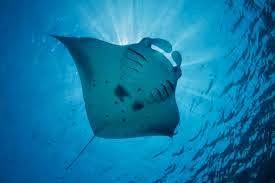
There are many types of sting ray around the globe. Even here when scuba diving Thailand you will come across a few different types. The most common is the Khule's sting Ray. This is often mistaken for the Blue Spotted Sting Ray. When on a Phuket diving day trip you will find the Khule's sting ray in numbers on all the dive sites as there is plenty of large sandy areas for then to hide in . You will may be miss them as they bury themselves in the sand leaving only their eyes and tail uncovered.  They lie still until you are inches from them and then they race off scaring the wits out of  divers new to the area. The areas you will find when scuba diving Phuket are a haven for rays or all shapes and sizes. From the giant oceanic Manta Ray, Eagle Ray, Reef Manta, Marble Ray, Jenkins Ray, Blue spotted sting Ray and the Khule's Sting ray to name but a few. 

The stingrays are a family - Dasyatidae - of rays, cartilaginous fishes related to sharks. They are common in coastal tropical marine waters throughout the world, and several species are known to enter fresh water. Other types of rays also referred to as "stingrays" are the river stingrays (family Potamotrygonidae), the round stingrays (families Urolophidae and Urotrygonidae), the sixgill stingray (family Hexatrygonidae), and the deepwater stingray (family Plesiobatidae). For clarity, the members of the family Dasyatidae are sometimes called "whip-tail stingrays".While most dasyatids are relatively widespread and not currently threatened, there are several species (for example Taeniura meyeni, Dasyatis colarensis, D. garouaensis, and D. laosensis) where the conservation status is more problematic, leading to them being listed as vulnerable or endangered by IUCN. The status of several other species are poorly known, leading to them being listed as Data Deficient.


Reproduction


When a male is courting a female, he will follow her closely, biting at her pectoral disc.Stingrays are ovoviviparous, bearing live young in "litters" of five to thirteen. The female holds the embryos in the womb without a placenta. Instead, the embryos absorb nutrients from a yolk sac, and after the sac is depleted, the mother provides uterine "milk".

Stingray injuries


These are normally few and far between as they as most creatures are will be far more scared of us. When diving we see them in large numbers and they always move off when we come close. It may be just an unlucky snorkeler or beach goer than may put their foot directly on one. Depending on the size of the stingray, humans are usually stung in the foot region. It is less likely to be stung by brushing against the stinger. Surfers and those who enter waters with large populations of stingrays have learned to slide their feet through the sand rather than stepping, as the rays detect this and swim away. Stamping hard on the bottom as one treads through murky water will also cause them to swim away. This is what makes Similan island diving as good as it is as the waters are so clear all year round. Humans who harass stingrays have been known to be stung elsewhere, sometimes leading to fatalities. The stinger usually breaks off in the wound. This is not fatal to the stingray as it will be regrown at a rate close to that of human fingernails (about .5-.75 inches per month). Contact with the stinger causes local trauma (from the cut itself), pain and swelling from the venom, and possible later infection from bacteria. Immediate injuries to humans include, but are not limited to: poisoning, punctures, severed arteries, and possibly death. Fatal stings are very rare, but can happen.Treatment for stings includes application of near-scalding water, which helps ease pain by denaturing the complex venom protein, and antibiotics. Immediate injection of a local anesthetic in and around the wound is very helpful, as is the use of opiates such as intramuscular pethidine. Local anesthetic brings almost instant relief for several hours. Any warm to hot fluid, including urine, may provide some relief. Vinegar and papain are ineffective. Pain normally lasts up to 48 hours, but is most severe in the first 30–60 minutes and may be accompanied by nausea, fatigue, headaches, fever, and chills. All stingray injuries should be medically assessed; the wound needs to be thoroughly cleaned, and surgical exploration is often required to remove any barb fragments remaining in the wound. Following cleaning, an ultrasound is helpful to confirm removal of all the fragments. Not all remnants are radio-opaque; but x-ray radiography imaging may be helpful where ultrasound is not available. These are the things you can see on any dive course Phuket has to offer. 

As food


Rays are edible, and may also be caught as food by fishing lines or spears. Stingray recipes abound throughout the world, with dried forms of the wings being most common. For example, in Singapore and Malaysia, stingray is commonly barbecued over charcoal, then served with spicy sambal sauce. In Iceland, eating pickled stingray ("kæst skata") on December 23 is an old tradition. Generally, the most prized parts of the stingray are the wings, the "cheek" (the area surrounding the eyes), and the liver. The rest of the ray is considered too rubbery to have any culinary uses.While not independently valuable as a food source, the stingray's capacity to damage shell fishing grounds can lead to bounties being placed on their removal. When in national parks on one of the many Similan islands liveabaords you can easily see so many ray in their natural state as there is no fishing or culling of anything and a natural balance is kept by nature. This is why Similan diving is rated as some of the best in the world. 

Eco-tourism


Stingrays are usually very docile, their usual reaction being to flee any disturbance. Nevertheless, certain larger species may be more aggressive and should only be approached with caution by humans, as the stingray's defensive reflex may result in serious injury or death. Dasyatids are not normally visible to swimmers, but divers and snorkelers may find them in shallow sandy waters, more so when the water is warm. Here in Thailand when on a Similan liveaboard In the Cayman Islands there are several dive sites called Stingray City, Grand Cayman, where divers and snorkelers can swim with large southern stingrays (Dasyatis Americana) and watch while professional scuba instructors feed them by hand. There is also a "Stingray City" in the sea surrounding the Caribbean island of Antigua. It consists of a large, shallow reserve where the rays live, and snorkeling is possible.In Belize off the island of Ambergris Caye there is a popular marine sanctuary called Hol Chan. Here, divers and snorkelers often gather to watch stingrays and nurse sharks that are drawn to the area by tour operators who feed the animals. Many Tahitian island resorts regularly offer guests the chance to "feed the stingrays and sharks". This consists of taking a boat to the outer lagoon reefs then standing in waist-high water while habituated stingrays swarm around, pressing right up against tourists seeking food from their hands or that being tossed into the water. The boat owners also "call in" sharks which, when they arrive from the ocean, swoop through the shallow water above the reef and snatch food offered to them. This is a practice thats totally discouraged here in Thailand as we need to protect the reefs and wild life to keep it as natural as possible. Anyone on a liveaboard Similan islands you will see how perfect the conditions are here and the fact that no one feeds anything means we can see all these amazing creatures in their perfectly natural state when diving Phuket. 


Other uses


The skin of the ray (same) is used as an under layer for the cord or leather wrap (ito) on Japanese swords (katanas) due to its hard, rough, texture that keeps the braided wrap from sliding on the handle during use. They are also used to make exotic shoes. They are used to make boots, belts, wallets, jackets, and even cellphone cases.
As with all good dive shop Phuket we think the best use for them is to see them in the wild when in Phuket scuba diving. They are graceful in the water and a nice creature just to swim with as because as long as you just give it some space then its perfectly harmless. If you are heading out on a Phuket liveaboard for a few days to enjoy some Similan island diving then you stand a far better chance to see some larger rays too as many in Phuket tend to be a bit smaller. The great thing is having all this amazing world class diving right on your doorstep. Here in Phuket Thailand you have all the top hotel names and world class diving with no need to back pack to get there.