Showing posts with label #Anemone Reef. Show all posts

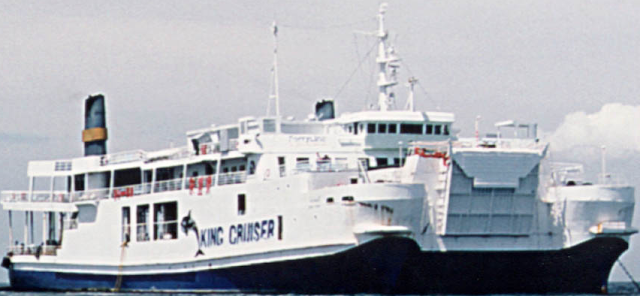
The Amazing Dive Sites Of Phuket Thailand Part 2. King Cruiser

The Amazing Dive Sites Of Phuket Thailand Part 2.  King Cruiser


The dive sites of Phuket Thailand has always been a big draw for scuba diving and for Phuket snorkel tours alike. What makes Thailand Phuket especially popular is the diving is easy with mild currents and shallow depths. Ok there are many other places with shallow diving but very few are as stunningly beautiful with such a varies sea life as when scuba diving Thailand.


When diving Phuket there are many choices. Do you dive the east side in the gulf of Thailand or the west side in the Andaman ocean?  What will follow will be a guide to let you know the best dive sites, the most popular dive sites, when is the best time to dive them to help you get the most out of the scuba diving Phuket has to offer. It does not matter if you have never tried it before or are an experienced diver diving in Thailand will will impress you.


For those people who love wreck diving there is a collection of wrecks now around the eastside of Racha Yai to the south but these have all been put here for the scuba divers. When diving in Phuket there is one wreck that far out does all the others. The wreck of the King Cruiser car ferry. There is just so much to see here. There are literally tens of thousands of fish covering the wreck. Phuket scuba diving as mentioned in other blogs is not difficult but this is the only real advanced dive and thats due to the depth.


The King Cruiser wreck is the wreck of the car ferry of the same name that sank off the West Coast of Southern Thailand on 4 May 1997. The ferry was operating between Phuket and the Phi Phi Islands in southern Thailand when she hit a submerged collection of rocky pinnacles at Anemone Reef 10 miles off Phi Phi Island. The impact split the reef in two and also tore a large hole in the hull limiting its seaworthiness to a further thousand meters. The vessel sank within 2.5 hours. 561 passengers were rescued included Thai and foreign tourists. They were safely taken to two police patrol boats and 4-5 fishing boats, which had raced to the rescue in response to an emergency call. Causes Of The Sinking The ferry was on a regular crossing in normal conditions and the Anemone Reef was charted and well known by captains in the area. This has led to various unproven theories as to why the accident occurred. Theories include insurance fraud due to the owners experiencing financial difficulties on the unprofitable route and also that local dive companies paid the captain to sink the vessel as, up until that time, there were no wreck dives around Phuket. The captain was found to be negligent. While the debris and rubbish has since been cleared by co-operative activities by locals, divers and aid organisations, you will still see the scattered rocks nearer to the shore. At depths of 4 meters, you will see coral reefs, extending from the shore, mostly consisting of brain corals and pore corals, streaching to a depth of about 12 meters.


Dive Site Information

The vessel is now a popular recreational dive site  for many divers who come scuba diving in Phuket and acts as an artificial reef to compliment the Anemone Reef. The vessel sits upright on a sandy bottom in around 30m of water rising to ~10m at the top of the wreck. The wreck remains in one piece although the foreword upper deck has collapsed. The simplest and safest point of entry is through the vessels stern where divers can explore the once active car decks.


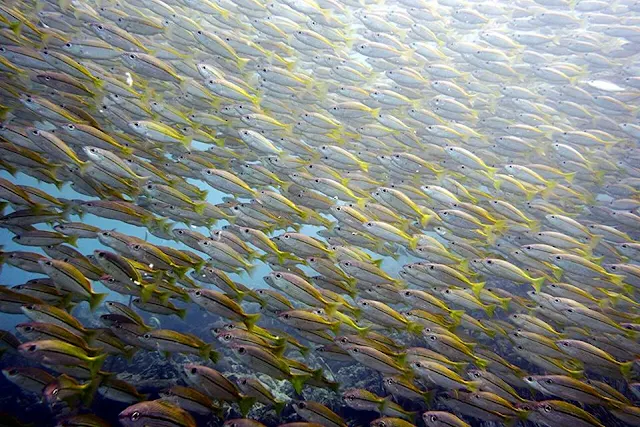
Machinery still sits on the deck. Inside the car deck are a couple of vehicle tires and an engine trolley. Rows of passenger seats and low coffee tables fill the inner recesses. The collapsed foredeck is at 16 meters where there is a stack of plastic picnic tables and chairs often surrounded by a cloud of Snappers. The upper deck is split from front to back.

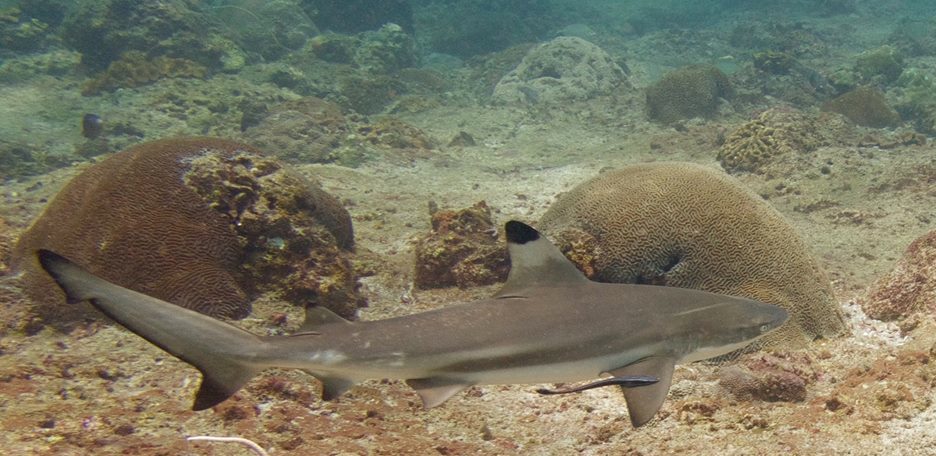
As well as the wreck there is lots of coral growth and an abundance of fish. sea fans and soft coral can be found growing along the sides and top of the wreck. Schools of big eye trevally are often spotted circling above the captain's cabin. Large schools of snapper hang around the entrances to the car deck and along the remains of the upper deck, plus lionfish can be seen dotted around the wreck. There are also occasional encounters with leopard sharks and blacktip reef sharks, great barracuda and turtles. If you are really lucky then there have been whale sharks spotted on this dive location.


The King Cruiser wreck dive trip can be booked in most Phuket dive centers. As mentioned before it is an advance dive so if you are an uncertified diver then it is out reach for the PADI Discover scuba diving in Phuket but there are other better locations for this.  But that does not mean its out of reach for other courses. This a great wreck to dive if you complete your open water course Phuket and want to directly go onto your advanced course. Its only the depth that makes it and advanced dove as the top is 16 - 17 meters but the deepest point is around 32 meters. For those wanting to learn to dive in Phuket this is a great follow on dive. The viz in high season can be awesome but during the months of July to September there can be days when its drops and it can be a bit bumpy during this time of year.


The Stunning and Varied Dive Sites Of Phuket Thailand Part 1. Anemone Reef.


The dive sites of Phuket Thailand has always been a big draw for scuba diving and for Phuket snorkel tours alike. What makes Thailand Phuket especially popular is the diving is easy with mild currents and shallow depths. Ok there are many other places with shallow diving but very few are as stunningly beautiful with such a varies sea life as when scuba diving Thailand.


When diving Phuket there are many choices. Do you dive the east side in the gulf of Thailand or the west side in the Andaman ocean?  What will follow will be a guide to let you know the best dive sites, the most popular dive sites, when is the best time to dive them to help you get the most out of the scuba diving Phuket has to offer. It does not matter if you have never tried it before or are an experienced diver diving in Thailand will will impress you.


First up is a well known dive site to all divers who have been diving in Phuket but it is not dived very often due to many Phuket dive centers preferring a larger dive site just a few  minutes away with a more impressive name to the more impressionable diver.  However this means the other site gets crowded and can get very busy during high season. Where Anemone reef is left alone and is often far more to see here as many shy creatures move here to avoid the crowds and noise of Shark point. 


Anemone reef is located around 25 - 27 km to the east of Phuket. 


 Anemone reef is a pinnacle with the top being between 3-5 meters under the water, giving this divesite its Thai name "Hin Jom". It's English name is similarly straight forward - sea anemones dwel in stunningly dense populations in the shallow areas, presenting an amazing view of the sea's own version of a living carpet. The pinnacle has a north - south orientation, with a small sloped channel close to the south part. The depth ranges from 5 - 25 meters, and while there is a gentle slope down to the sandy bottom on the east side, it is steeper on the west side. Because of the quantity, quality and variety of marine life that lives in the beautiful soft coral and sea fans that cover the pinnacle, Anemone Reef is the choice site for naturalist courses and is no doubt a favorite among photographers as well. The currents are mild to moderate running in a north - south direction. The current on the north side will be stronger at low tide, and vice versa. Located around 25 - 27 Km to the east of Chalong Bay which is where most of the Phuket scuba diving trips depart from each morning.  


Anemone fish and clownfish are common, as are big schools of snapper that cloud the pinnacle. Schools of yellowtail barracuda are also often seen circling the rock, together with groupers, oriental sweetlips, juvenile harlequin sweetlips, scorpionfish and soldierfish that flit among corals, cracks and crevices. Leopard sharks, black tip and white tip sharks have been seen here on many occasions. Small critters such as seahorses are also found here on occasion. At the shallow areas near the mooring line, a couple of ornate ghost pipefish and even an anglerfish have been seen here before. This is a relatively easy dive as is most of the scuba diving in Phuket

The dive starts from descending down to the side of the pinnacle. Divers can then choose to go either clockwise or counter clockwise from the bottom, and the dive ends at the top of the pinnacle near the mooring line. Going around the pinnacle should pose no problems except in strong currents, so try scheduling the dive time near slack tide to get the most out of this site. It is also advisable to take your time on the dive - you might find a surprise among the cracks or in the dense anemone areas. Do look away from the rock once in a while, as there is an abundance of fish everywhere, and keep a watch out for leopard sharks that may be asleep at the bottom close to the rock. At the end of the dive, ascend with caution and beware of boat traffic. Use a safety ballon if you are not at the mooring line.


Anemome reef is a huge draw for all underwater photographers as there is just so much colour and such a huge variety of marine life here from the very tiny Nudi branch's to the largest fish in the ocean, massive whale shark are all regularly seen here. The Whale shark population has exploded in the Gulf of Thailand in the last few years and the better Thailand dive centers do have a run trips everyday to the locations that give you the best chance of seeing them. 


The great thing in Phuket is it has been a big draw for scuba diving for many years and Phuket dive centers like Thailand Divers have been helping people who want to learn to scuba dive Phuket for many years. The amazing dive sites like Anemone reef can be visited by new divers who are doing their open water course Phuket on their third day. The dives are not deep and not difficult and as mentioned before stunningly beautiful. Any good Phuket dive shop can take you to these amazing places and yes on just you second day in the ocean you may be diving with sharks. 

Underwater World of Phuket Thailand As Seen By Thailand Divers


The Amazing Underwater World of Phuket Thailand.


    Just a short boat ride off shore, there are some stunning underwater places to explore in Thailand Phuket in particular. It is the main gateway to the underwater sights that rank up there with the best in the world and depending how much time you want to spend underwater, there are several ways to explore it.


 One Day in Phuket scuba Diving,

         
With as little as one day up your sleeve for scuba diving Thailand you can still enjoy three different  great dive sites – a huge wall dive,  a wreck, and a reef – and still be back for happy hour. When diving Phuket most  boats leave daily from Chalong Bay, and take in three dive sites with the furthest just a couple of hours  cruising. When in Phuket diving the trips really are cruising as the dive boats here are large and very comfortable. They have chefs on board, sun decks, three or more showers plus more deck showers to rinse off after the dive. Power points to charge cameras, shaded eating areas and large saloon.


One option when scuba diving Phuket is the King Cruiser wreck. 


         The first dive of the day, the wreck King Cruiser is on a sunken car transporter ferry, which is so big you won’t get to see all of it on the one dive. The ferry sank in 1997 after hitting Anemone Reef. The boat is sitting with the top around 17 meters and the bottom at 32m. The wreck is approx 90m long, 30m wide and 15 high.

    And the reef, called Anemone Reef, for good reason guarantees you some of the cutest Clown fish around.  This is also a good location for Tigertail Seahorses which live on the huge sea fans. There are also a good chance to see Leopard Sharks here too around the base of the reef.


    The closest is Koh Dok Mai or Flower Island provides a home to many sea creatures.which is also the most characteristic of the region, being a limestone pinnacle that rises steeply from the ocean floor. Underwater it presents as a wall with vertical gutters and crevices and even some caves, home to all sorts of cryptic crevice dwellers. This is normally the last dive of the day as its done on the way back to Phuket.


Keep an eye out for white-collared butterfly fish as well as the many Black tip reef sharks (totally harmless) and Hawks Bill Turtles.


Over the course of the day you could see anything from seahorses to scorpion fish, barracuda to banded coral shrimp, stone fish, sea snakes, many nudibranchs, Ghost pipe fish, painted spiny lobsters, frog fish, Blue spotted sting rays and if lucky the largest fish in the ocean The Whale Shark. This is what makes diving in Thailand so exciting as you just never know what will turn up.


      These day boats have all the dive gear you need on board. As well as showers, they provide and serve you  a cooked breakfast, large hot buffet lunch and afternoon tea, plus tea, coffee, drinking water. Other soft drinks are available at a very small cost as is ice cold beer for the way back.  So all you really need for the day is your dive card, sunscreen and swimmers. A good Phuket dive shop will put as much effort into good food and comfort as well as being blessed with great diving. 


Three Days’ Diving

If you have three days spare for diving in Phuket you will be able to cover the three main day trip locations from Phuket.
Koh Phi Phi.  The terrain here is also limestone pinnacles made famous by the movie The Beach, starring Leonardo DiCaprio. The range of diving is immense, from Phuket snorkelling tours in Lana Bay on the north-western tip of Koh Phi Phi, to Bida Nok, which offers a most dramatic marine topography: caves, swim throughs, drop-offs and overhangs.
        All around Phi Phi Ley are steep walls and coral bomies with an amazing number and diversity of nudibranchs, as well as the usual colourful reef fish like butterflyfish, coralfish and parrotfish.


Phi Phi can also be done during low season (May - Sept) on an overnight live a board which includes a great night dive. Talk to any good Phuket dive center like Thailand Divers who can arrange Phuket liveaboards all year round. But remember in Green season there are far less options to choose from as the national parks are closed. 


More than three days, or just if you prefer liveaboards and as the Similan diving is best in the world then this is a great option. 
       If you have three days or more available, you’d be crazy not to book a liveaboard trip and head out to the similan islands and Surin  Islands National Parks – about 1.5 hours from Phuket by speed boat or 3 hours cruising on the dive boat.(which is usually done while you sleep). Here you will be spoilt with some of the best diving in the region and the world if you include Koh Tachai and Richelieu Rock.


The similan island diving is so diverse. Here are massive granite boulders, stacked up long ago by some giant god of the sea, to create a playground for fish and divers alike. Mixed in with white sandy bays and shallow reefs teeming with life. Throw in a turtle breeding ground for good measure. Diving in  the Similans and the surrounding area you may be lucky enough to see manta rays cruising through, but you’ll certainly find turtles, and some of the biggest giant morays I have ever seen. Mix in the powder-blue surgeons, white collar butterflies and black tail angels and you’re in for a visual feast.


    The pinnacle, literally, of the trip will be a day diving Richelieu Rock, a rock so famous it even has its own website. A large, horseshoe-shaped rock, completely submerged, Richelieu is home to everything from the smallest ghost pipefish to hordes of batfish, schools of swirling snapper,  giant cuttlefish and of course the giant Oceanic Manta ray and Whale Shark.


 Even three dives on the rock won’t be enough: you’ll be planning your next trip on the way home.
For more information on Similan island trips just talk to Thailand divers on their live chat and they can give you all the latest information.


The Similan liveaboards have several great options from a one night trip to 10 days or more. The choice is yours. The trips can depart everyday from 15th October till mid May so you can fit the trip to your holiday and not your holiday to fit the trip. The 5 day 4 night trips will get you a full round trip. There is a choice of boats from to be honest very nice  boats and accomadation low cost trips to total luxuary. 5* chefs, state rooms and private charter super yachts. When in phuket scuba diving is a must. You will not find a better place for your first ever experience or if its your 10,000th dive. phuket thailand has stunning sights both above and below the water. A chance to go on one of the Similan islands liveaboards is a chance you dont want to miss. 


A Quick Guide To Some Of The Fish You Will See Diving In Phuket Thailand and The Similan Islands III

Thailand Divers Fish and Marine Creatures Guide From Phuket Thailand..


  What this will be is a quick guide to some of the amazing fish we see when diving in the waters off Phuket Thailand.  Different fish will be featured everyday and as the Similan islands season is about to start too these fish will be for sure seen in these waters too. The scuba diving around Thailand Phuket is some of the best you will find anywhere. From the shallow bays of the Racha Islands that are perfect for people who want to discover scuba diving Phuket is ideal. Then again the sloping reefs are ideal location for people who want to learn to scuba dive Phuket has dive sites for all levels of diver. Then as many experienced divers will know that just to the north west of Phuket lies the Similan islands and these are normally done on a liveaboard trip for 2-4 days.  This is by far the best way to get the most out of the diving as it gets you (on the 3 or 4 day trip) to have a day diving Richelieu rock which is situated just north on the Similans and is part of the Surin islands national park. Phuket liveaboards to the Similan island and other destinations are available from all good Phuket dive center.

Yes today its the turn of  " Nemo" the clown fish. There are so many different types of clown fish or Anemone fish that its will take pages to write about them all. They come in all shapes and sizes and not just the orange and white ones from the movies. When in Thailand diving you will encounter many different types all over the Andaman ocean and the Gulf of Thailand. When on any Phuket scuba diving trip you will for sure see the movie star Nemo plus for sure his tiny black and white friends as they are both very common. You could do a week scuba diving Thailand and just go listing all the different types of clown fish you can see as if you include a Similan island diving trip you will encounter even more. 


Clownfish and anemonefish are fishes from the subfamily Amphiprioninae in the family Pomacentridae. About twenty eight species are recognized, one in the genus Premnas, while the remaining are in the genus Amphiprion.


Clownfish and anemonefish are fishes from the subfamily Amphiprioninae in the family Pomacentridae. About twenty eight species are recognized, one in the genus Premnas, while the remaining are in the genus Amphiprion. In the wild they all form symbiotic mutualisms with sea anemones. Depending on species, clownfish are overall yellow, orange, reddish, or blackish, and many show white bars or patches. The largest reach a length of 18 cm (7 in), while the smallest barely reach 10 cm (4 in).


Clownfish are native to warmer waters of the Indian and Pacific oceans, including the Great Barrier Reef and the Red Sea. While most species have restricted distributions, others are widespread. They are generally highly host specific, and especially the genera Heteractis and Stichodactyla, and the species Entacmaea quadricolor are frequent partners. The clownfish feeds on undigested matter which otherwise potentially could harm the sea anemone, and the faecal matter from the clownfish provides nutrients to the sea anemone. It has also been suggested that the activity of the clownfish results in greater water circulation around the sea anemone. In addition to providing food for the clownfish, the sea anemone also provides safety due to its poison.


Clownfish and certain damselfish are the only species of fishes that can avoid the potent poison of a sea anemone. There are several theories about how this is accomplished:
* The mucus coating of the fish may be based on sugars rather than proteins. This would mean that anemones fail to recognize the fish as a potential food source and do not fire their nematocysts, or sting organelles. When diving in Phuket and places like Anemone reef for sure you will see so many different clown fish all living in their family groups in the thousands of Anemones there. 
* The coevolution of certain species of clownfish with specific anemone host species and may have acquired an immunity to the nematocysts and toxins of their host anemone. Experimentation has shown that Amphiprion percula may develop resistance to the toxin from Heteractis magnifica, but it is not totally protected, since it was shown experimentally to die when its skin, devoid of mucus, was exposed to the nematocysts of its host.
Clownfish live in small groups inhabiting a single anemone. The group consists of a breeding pair, which cohabit with a few non-reproductive, "pre-pubescent", and smaller male clownfish. When the female dies, the dominant male changes sex and becomes the female. This life history strategy is known as sequential hermaphroditism. Because clownfish are all born as males, they are protandrous hermaphrodites (pro=first; androus=male). This is in contrast with another form of hermaphroditism, known as protogyny, in which all fish are born as females but can change to males later. 
Clownfish lay eggs on any flat surface close to their host anemones. In the wild, clownfish spawn around the time of the full moon and the male parent guards them until they hatch about 6 to 10 days later, typically 2 hours after dusk. Clownfish are omnivorous: in the wild they eat live food such as algae, plankton, molluscs, and crustacea; in captivity they can survive on live food, fish flakes, and fish pellets. They feed mostly on copepods and mysids, and undigested food from their host anemones. Depending on the species, clownfish can lay hundreds or thousands of eggs. Clownfish were the first type of marine ornamental fish to be successfully bred in captivity on a large scale. It is one of a handful of marine ornamentals whose complete life cycle has been successfully completed in captivity. A Similans liveaboard is a great place to go to see hundreds of types of fish and the variety of clown fish will I am sure amaze even the most experienced diver. 

In the aquarium


Here at Thailand Divers being one of longest established dive shop Phuket has we cant say its nice to see these fish in tanks but since the release of the movie "finding Nemo" the wild clown fish took a massive hit as they were rounded up for aquariums around the world.  But having tank bred fish rather than having them removed from the wild is a better option. The Clownfish are a popular fish for reef aquariums of 10 gallons or more. Clownfish are now tank-bred to lower the number taken from the wild. Wild-caught tropical fishes are more likely to die within a week of purchase, due to catching methods like dynamite fishing and nets with "rockhoppers." Compared to wild-caught clownfish, tank-bred clownfish are more disease resistant and also less affected by stress when introduced to the aquarium. Any Phuket dive shop will never condone taking anything from the wild or even disturbing it in the ocean as preserving the oceans is taught to all students right from the start when they learn to scuba dive Phuket. 
When a sea anemone is not available in an aquarium, they may settle in some varieties of soft corals, or large polyp stony corals. If the fish settles in a coral, it could agitate the fish's skin, and, in some cases, may kill the coral. Once an anemone or coral has been adopted, the clownfish will defend it. As there is less pressure to forage for food in an aquarium, it is common for clownfish to remain within 2-4 inches of their host for an entire lifetime. Even in your first ever dive I am sure the instructor will find a clown fish for you and you will see that a as soon as you discover scuba diving Phuket you will see how close to the Anemone these fish stay. 
Clownfish that are far removed from their parents through captive breeding may not have the same instinctual behavior to live in an anemone. They may have to be coaxed into finding the anemone by the home aquarist. Even then, there is no guarantee that the anemone will host the clownfish.
The best place to see clown fish in in the wild and there is no better place than Phuket Thailand. 


The Amazing Underwater World of Phuket Thailand.

The Amazing Underwater World of Phuket Thailand.

          
 Just a short boat ride off shore, there are some stunning underwater places to explore in Thailand Phuket. It is the main gateway to the underwater sights that rank up there with the best in the world and depending how much time you want to spend underwater, there are several ways to explore it. Just pop in to any good dive shop Phuket has a few long standing ones and several that pop up and vanish in a couple of years. Choose one with a good 10 years behind it. A good Phuket dive center will have a far better idea on what will suit you best rather than just try to sell you what they are doing.


One day free for Phuket scuba diving?

          With as little as one day up your sleeve, you can enjoy three different sites – a huge wall dive,  a wreck, and a reef – and still be back for happy hour. Several boats leave daily from Chalong Bay, and take in three dive sites with the furthest just a couple of hours  cruising. It is cruising as the dive boats here are large and very comfortable. They have chefs on board, sun decks, three or more showers plus more deck showers to rinse off after the dive. Power points to charge cameras, shaded eating areas and large saloon.


 The good thing about the diving Phuket has to offer is that its is close by. The closest is Koh Dok Mai or Flower Island provides a home to many sea creatures.which is also the most characteristic of the region, being a limestone pinnacle that rises steeply from the ocean floor. Underwater it presents as a wall with vertical gutters and crevices and even some caves, home to all sorts of cryptic crevice dwellers. This is normally the last dive of the day as its done on the way back to Phuket.


         The first dive of the day, the wreck King Cruiser is on a sunken car transporter ferry, which is so big you won’t get to see all of it on the one dive. The ferry sank in 1997 after hitting Anemone Reef. The boat is sitting with the top around 17 meters and the bottom at 32m. The wreck is approx 90m long, 30m wide and 15 high.

    And the reef, called Anemone Reef, for good reason guarantees you some of the cutest Clown fish around.  This is also a good location for Tigertail Seahorses which live on the huge sea fans. There are also a good chance to see Leopard Sharks here too around the base of the reef.


Over the course of the day in phuket scuba diving you could see anything from seahorses to scorpion fish, barracuda to banded coral shrimp, stone fish, sea snakes, many nudibranchs, Ghost pipe fish, painted spiny lobsters, frog fish, Blue spotted sting rays and if lucky the largest fish in the ocean The Whale Shark.


These day boats have all the dive gear you need on board. As well as showers, they provide and serve you  a cooked breakfast, large hot buffet lunch and afternoon tea, plus tea, coffee, drinking water. other soft drinks are available at a very small cost as is ice cold beer for the way back.  So all you really need for the day is your dive card, sunscreen and swimmers.


Check out these other Thailand beauty spots: www.thailand-divers.com


Three Days’ Diving


If you have three days spare for diving in phuket you will be able to cover the three main day trip locations from Phuket.


Experience Phuket diving at its best at Koh Phi Phi  The terrain here is also limestone pinnacles made famous by the movie The Beach, starring Leonardo DiCaprio. The range of diving is immense, from easy snorkelling in Lana Bay on the north-western tip of Koh Phi Phi, to Bida Nok, which offers a most dramatic marine topography: caves, swim throughs, drop-offs and overhangs.


Keep an eye out for white-collared butterfly fish as well as the many Black tip reef sharks (totally harmless) and Hawks Bill Turtles.


 All around Phi Phi Ley are steep walls and coral with an amazing number and diversity of nudibranchs, as well as the usual colourful reef fish like butterflyfish, coralfish and parrotfish.

Phi Phi can also be done during low season (May - Sept) on an overnight live a board which includes a great night dive.

More than three days,

       If you have three days or more available, you’d be crazy not to book a similan  liveaboard trip and head out to the similan islands and Surin Islands National Parks – about 1.5 hours from Phuket by speed boat or 3 hours cruising on the dive boat.(which is usually done while you sleep). Here you will be spoilt with some of the best diving in the region and the world if you include Koh Tachai and a day diving Richelieu Rock.


The similans are so diverse and without the best diving in Thailand.. Here are massive granite boulders, stacked up long ago by some giant god of the sea, to create a playground for fish and divers alike. Mixed in with white sandy bays and shallow reefs teeming with life. Throw in a turtle breeding ground for good measure. Diving in this area you may be lucky enough to see manta rays cruising through, but you’ll certainly find turtles, and some of the biggest giant morays I have ever seen. Mix in the powder-blue surgeons, white collar butterflies and black tail angels and you’re in for a visual feast.


The pinnacle, literally, of the trip will be when diving Richelieu Rock, a rock so famous it even has its own website. A large, horseshoe-shaped rock, completely submerged, Richelieu is home to everything from the smallest ghost pipefish to hordes of batfish, schools of swirling snapper,  giant cuttlefish and of course the giant Oceanic Manta ray and Whale Shark.


 Even three dives on the rock won’t be enough: you’ll be planning your next trip on the way home.

For more information on diving in Thailand visit Thailand Divers


The  Similan liveaboard trips have several great options from a one night trip to 10 days or more. The choice is yours. The trips can depart everyday from 15th October till mid May so you can fit the trip to your holiday and not your holiday to fit the trip. The 5 day 4 night trips will get you a full round trip. There is a choice of boats from to be honest very nice  boats and accomadation low cost trips to total luxuary. 5* chefs, state rooms and private charter super yachts. When in phuket scuba diving is a must. You will not find a better place for your first ever experience or if its your 10,000th dive. phuket thailand has stunning sights both above and below the water.